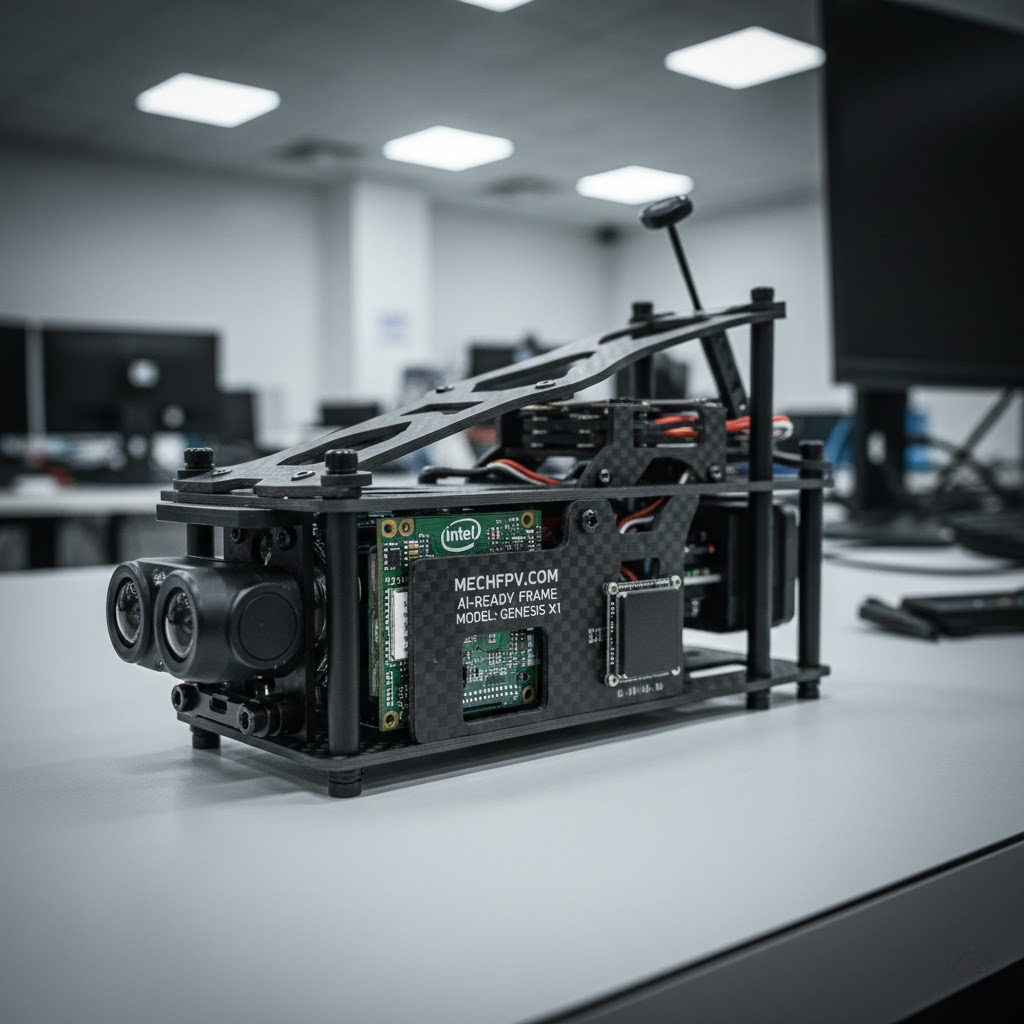
In the world of FPV (First Person View) drones, speed, agility, and reliability have always been at the core of the pursuit. But with the rapid advancement of Artificial Intelligence (AI) technology, the FPV sector is undergoing a revolution. Merely having a robust frame is no longer enough; your drone needs an "AI-Compatible Frame" capable of embracing AI modules.
What is an AI-Compatible FPV Frame?
Simply put, an AI-compatible frame is an FPV drone carbon fiber skeleton specifically designed to integrate various artificial intelligence hardware, such as edge computing modules, sensor arrays, more powerful flight controllers, and vision processing units. It’s more than just being spacious; it's structurally and functionally engineered to accommodate AI modules.
Why is AI So Crucial for FPV Drones?
Imagine this:
- Autonomous Navigation & Obstacle Avoidance: Your drone can adjust its flight path in real-time based on the environment, autonomously avoiding obstacles, and even finding optimal routes in complex terrains.
- Intelligent Target Tracking: Whether for racing pursuits or cinematic shots, AI-driven drones can precisely lock onto and follow targets, even if they are moving at high speeds.
- Data Analysis & Optimization: AI can analyze flight data in real-time, optimizing the drone's attitude control, battery efficiency, and power output for smoother, longer flights.
- Advanced Vision Processing: Enhancing image recognition, object classification, and situational awareness capabilities, providing stronger support for professional applications like search and rescue, mapping, and agriculture.
Key Features of an AI-Compatible Frame
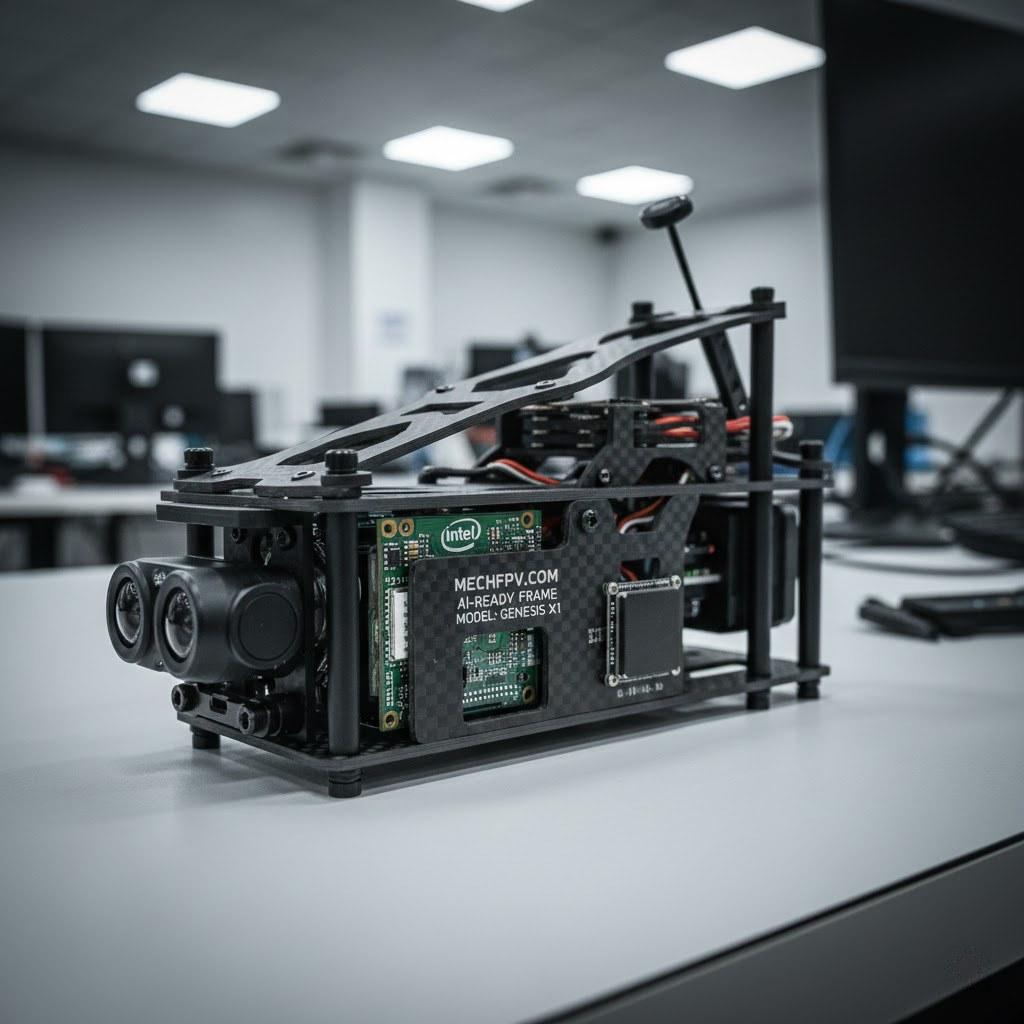
A truly "AI Ready" frame needs to consider the following:
- Larger Internal Space and Multi-Layer Design: Additional flight controller boards, Vision Processing Units (VPUs), GPS modules, LiDAR, or depth cameras all require extra mounting space. A multi-layer design can stack these components more efficiently.
- Modular Mounting Points: Beyond standard 20x20mm or 30x30mm hole patterns, flexible mounting holes are needed for specific AI sensors (e.g., Intel Movidius Myriad X VPU, Jetson Nano, or Coral Edge TPU).
- Optimized Heat Dissipation: AI chips generate significant heat during operation. The frame design needs to consider airflow channels or reserve space for heatsinks to ensure stable chip performance.
- Anti-Vibration Design: Precision sensors and computing modules are highly sensitive to vibration. High-quality carbon fiber material and a well-engineered structural design can effectively reduce the impact of vibration on AI performance.
- Signal Isolation and Routing: Complex electronics require good signal isolation to prevent interference. Frame design should facilitate easy wiring and shielding.
- Lightweight and Structural Strength: Despite integrating more hardware, the frame still needs to remain lightweight while ensuring structural integrity during high-speed flights and potential impacts.
MechFPV.com: Providing the Backbone for Your AI FPV Dreams
At MechFPV.com, we understand the future direction of FPV technology. We are dedicated to designing and manufacturing the highest quality carbon fiber plates and frames to help you build the next generation of AI-driven FPV drones. Our frames not only use high-grade T700 carbon fiber but are also meticulously designed with AI module integration in mind, providing you with upgrade space and ensuring your drone is ready for future challenges.
Whether you are developing new autonomous drone systems or simply want to make your FPV experience smarter, MechFPV.com offers the ideal starting point.
Explore our AI-Compatible FPV Frame series and start building your intelligent flight platform today!